
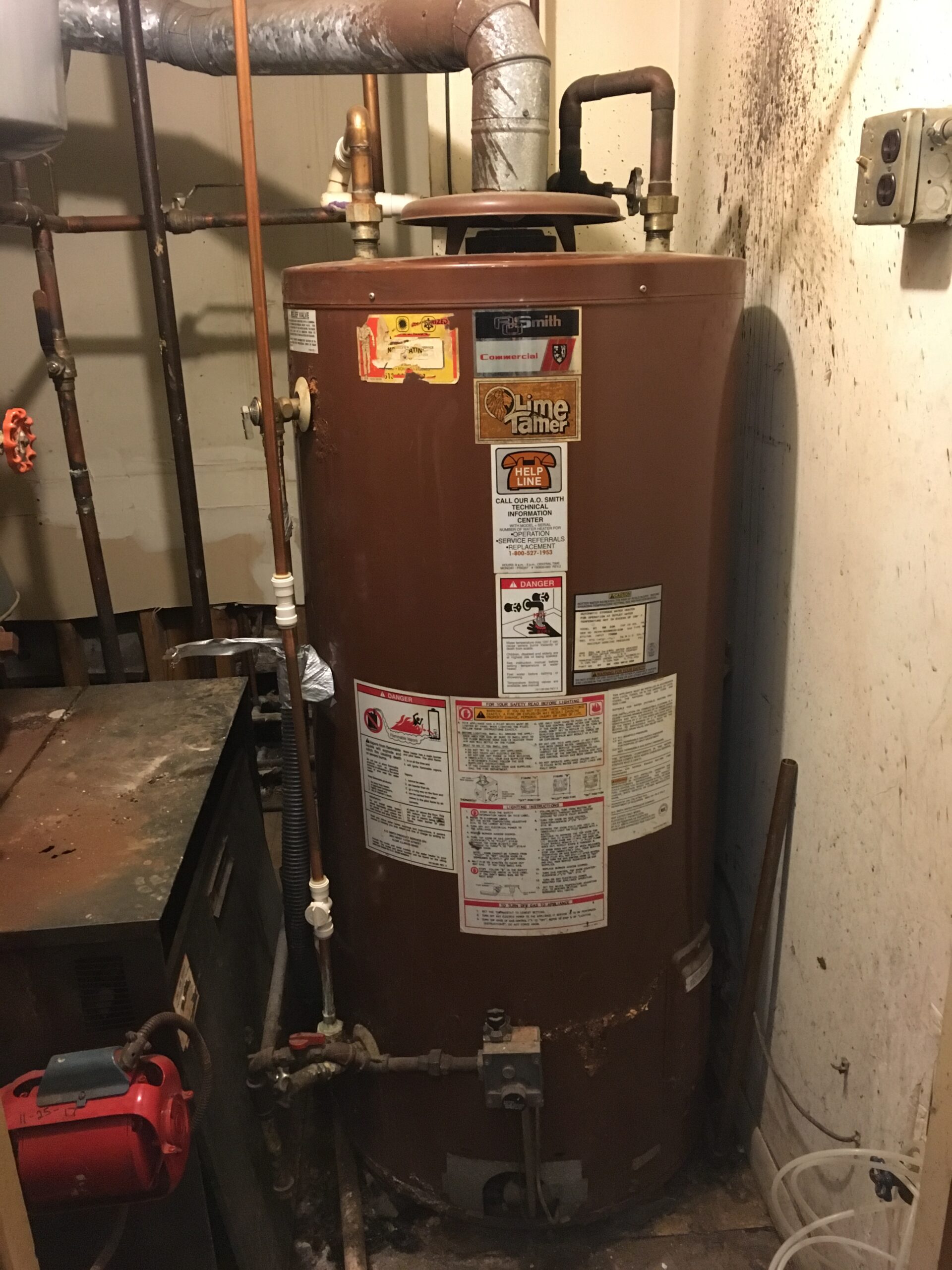
If you read our earlier post on the 2026 DOE commercial water heater rule, here is an important development worth knowing about.
On April 24, 2026, the U.S. Department of Energy issued an Enforcement Policy Statement announcing a one-year delay in enforcement of the new thermal efficiency standards for commercial gas-fired water heaters. The compliance deadline remains October 6, 2026 on paper, but the DOE will not take enforcement action against manufacturers for non-compliant products until October 6, 2027. In practical terms, the industry has been given a one-year grace period.
Link to original post: Navigating Impending Water Heater Rule Changes
What This Means for Your Facility
The short version: there is more runway than there was a few months ago. Manufacturers like A.O. Smith, Rheem and Bradford White may continue producing and selling non-condensing commercial gas water heaters during the enforcement window. This means supply of conventional units will be available longer than previously expected and the urgency around product shortages has eased somewhat.
That said, a few things have not changed:
The rule itself is still law. The DOE’s enforcement delay is a policy decision, not a rollback of the standard. The October 2026 deadline is real, and the anti-backsliding provision that prevents the DOE from ever loosening these standards remains in place. Condensing technology will be the baseline — the timeline has simply shifted by one year.
Pre-2026 units can still be installed after the deadline. Non-condensing water heaters manufactured before October 6, 2026 can still be sold from existing inventory and installed after that date. Once that inventory is gone, it’s gone.
Long-term planning still matters. If your facility has aging water heating equipment, a one-year extension does not change the direction things are heading — it just gives you more time to proactively plan the transition rather than reactively.
Our Take
For Miami Valley building owners and facility managers, this delay is genuinely good news. It takes the immediate pressure off and creates more space to plan upgrades strategically — on your timeline and budget rather than one forced by supply constraints or a hard deadline.
We still think the facilities that will come out ahead are the ones that use this extra time wisely: auditing their equipment, understanding what a condensing upgrade would require for their specific building, and building a realistic transition plan before the window closes for good in October 2027.
Contact us today if you would like to talk through where your facility stands and discuss the path forward.